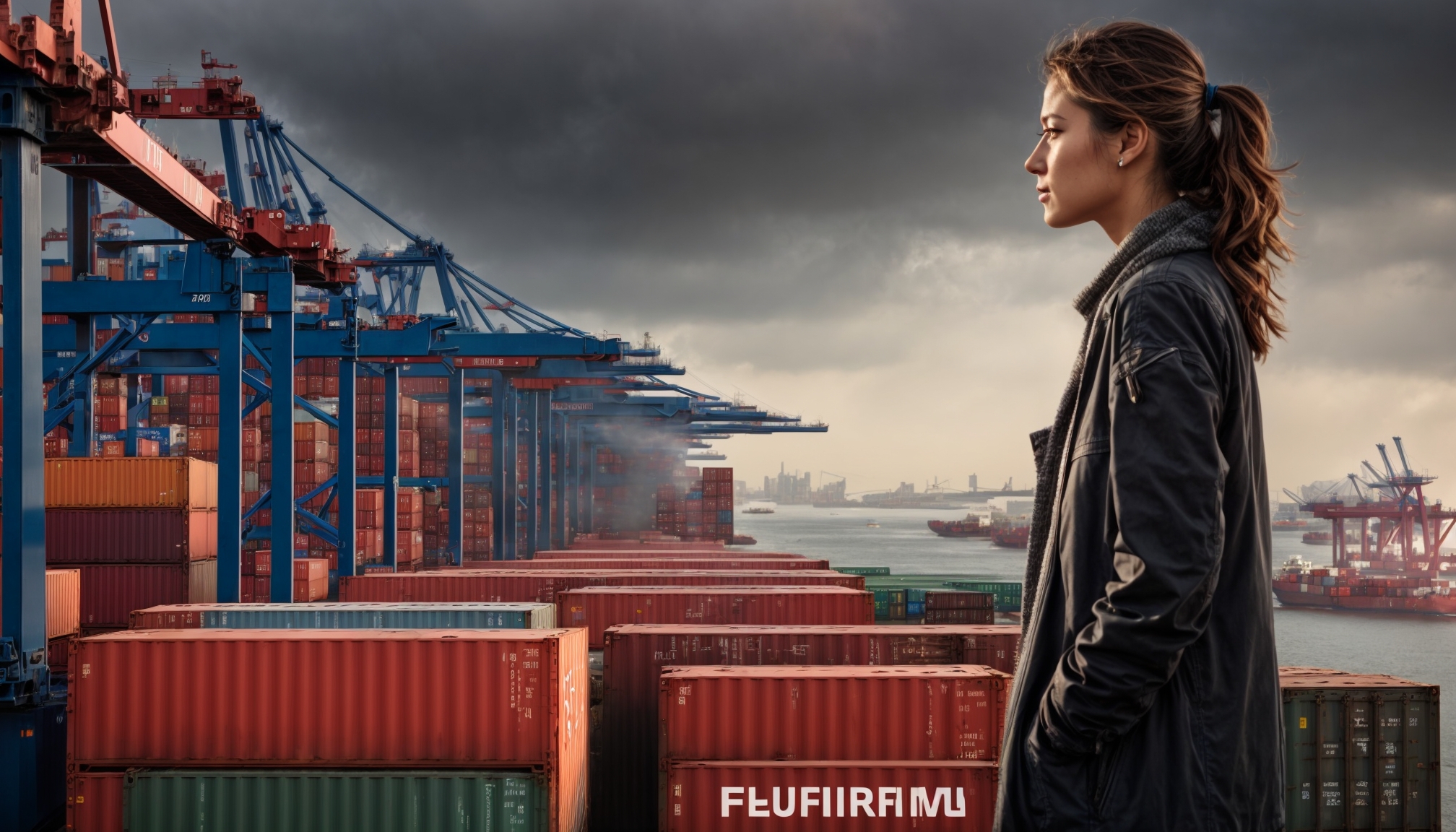
[SITE_NAME] – Global shippers are confronting rising global shipping disruption risks as containers pile up, port queues lengthen, and schedules collapse across key trade lanes.
Container scarcity began when demand rebounded unevenly after major lockdowns. Ships and boxes were in the wrong places at the wrong time. As a result, global shipping disruption risks intensified when carriers could not reposition equipment fast enough to match surging cargo volumes.
Congested ports then magnified the imbalance. Vessels waited days or weeks for berths. Terminals filled with import containers that could not move inland. Meanwhile, exporters struggled to secure empty containers, especially on backhaul routes.
Truck driver shortages and limited warehouse capacity added strain. Inland bottlenecks slowed the return of empties to ports. Therefore, equipment cycles lengthened, and practical fleet capacity shrank even without any physical loss of containers.
For cargo owners, the most visible pain comes from delayed sailings, rolled bookings, and unstable schedules. These issues directly feed into global shipping disruption risks that affect inventory levels, cash flow, and customer service.
Many shippers also face record freight rates and extra surcharges. Carriers introduce premiums for guaranteed space, peak season fees, and congestion-related charges. On the other hand, some long-term contract holders struggle to secure the space they believed was guaranteed.
Service reliability has declined sharply. Transit times are unpredictable across major trades. Even when vessels depart on schedule, port delays at transshipment hubs can erase any planned buffer time. Consequently, planning just-in-time flows has become far more difficult.
Not all regions face the same intensity of strain. However, global shipping disruption risks connect across trade lanes. Problems in one region ripple into others through missed connections, blank sailings, and equipment shortages.
Export-heavy regions often lack enough empty containers. Import-heavy gateways, by contrast, suffer from yard congestion and storage pressure. Inland depots in some markets are overloaded, while others sit underutilized because rail and trucking capacity are misaligned.
Weather events, labor disputes, and local regulatory changes can tip a fragile system into renewed chaos. Even a temporary port closure can trigger weeks of schedule disruption when fleets already operate with minimal slack.
Carriers are adjusting networks, adding extra loaders, and deploying larger vessels on high-yield trades. These moves aim to reduce global shipping disruption risks but can create new pinch points when port infrastructure is insufficient to handle larger ships.
In addition, alliances are rebalancing capacity, skipping congested ports, and consolidating calls at better-performing terminals. While such decisions may stabilize operations, they can lengthen inland routes for some shippers and raise overall logistics costs.
Ports and terminal operators are expanding yard space, extending working hours, and investing in automation. Nevertheless, many face local labor constraints, truck appointment limits, and outdated hinterland connections that slow throughput.
Faced with persistent global shipping disruption risks, cargo owners are revisiting long-held assumptions about cost efficiency and minimal inventory. More companies now prioritize resilience and optionality over just-in-time precision.
Some shippers diversify ports of entry to avoid overreliance on a single congested gateway. Others split volumes across multiple carriers and alliances. This strategy can improve access to space but requires more complex coordination and monitoring.
Long-term contracts are also evolving. Large buyers push for better space commitments, service level clauses, and clearer penalties for persistent reliability failures. Smaller shippers seek partnerships with forwarders that can aggregate volumes for stronger bargaining power.
Technology is becoming central to managing global shipping disruption risks. Real-time vessel tracking, predictive ETA tools, and port congestion dashboards help shippers adjust plans before delays become critical.
In addition, integrated control towers allow companies to see inventory in motion across modes and regions. This visibility supports dynamic re-routing, mode shifting, and faster decision-making when schedules slip.
Collaborative platforms connect carriers, ports, truckers, and cargo owners. When data flows more freely between partners, it becomes easier to reduce idle time, optimize container turns, and unlock hidden capacity in existing networks.
Read More: Why global supply chains remain under intense logistics pressure
Logistics leaders now treat global shipping disruption risks as a core business risk, not a rare exception. Scenario planning, stress tests, and updated business continuity plans are becoming standard practices.
Insurance coverage and liability questions command more attention. Shippers examine clauses on delay, demurrage, detention, and force majeure. Meanwhile, contract structures evolve to share risks more evenly between carriers, forwarders, and cargo owners.
Some companies secure dedicated capacity on critical lanes, even at a premium, to protect key product flows. Others adjust their product mix and sourcing strategies to reduce dependence on the most volatile corridors.
New vessel orders and container production will eventually ease some global shipping disruption risks. However, physical capacity alone will not solve structural problems such as port infrastructure gaps, labor shortages, and inland bottlenecks.
Trade patterns may continue to shift toward regionalization and nearshoring. If more production moves closer to consumption markets, demand for certain long-haul ocean routes could plateau or decline, while regional feeder networks grow in importance.
Regulatory pressure around decarbonization will also influence fleet deployment and costs. Emission rules, slow steaming strategies, and alternative fuel investments could change transit times and freight rate structures over the next decade.
In the medium term, shippers that treat global shipping disruption risks as a constant factor, not a temporary shock, will be better positioned. They will balance cost with resilience and invest in visibility rather than rely on static annual plans.
Multi-port strategies, flexible contracts, and diversified carrier portfolios will reduce reliance on any single node. After that, companies can refine these strategies using performance data to identify which partners and routes deliver the most consistent outcomes.
Ultimately, resilience will depend on collaboration across the ecosystem. Carriers, ports, logistics providers, and cargo owners must share data, align incentives, and coordinate investments. By recognizing that global shipping disruption risks are shared, industry players can move from reactive crisis management toward more stable and predictable trade flows over the long term.
This website uses cookies.