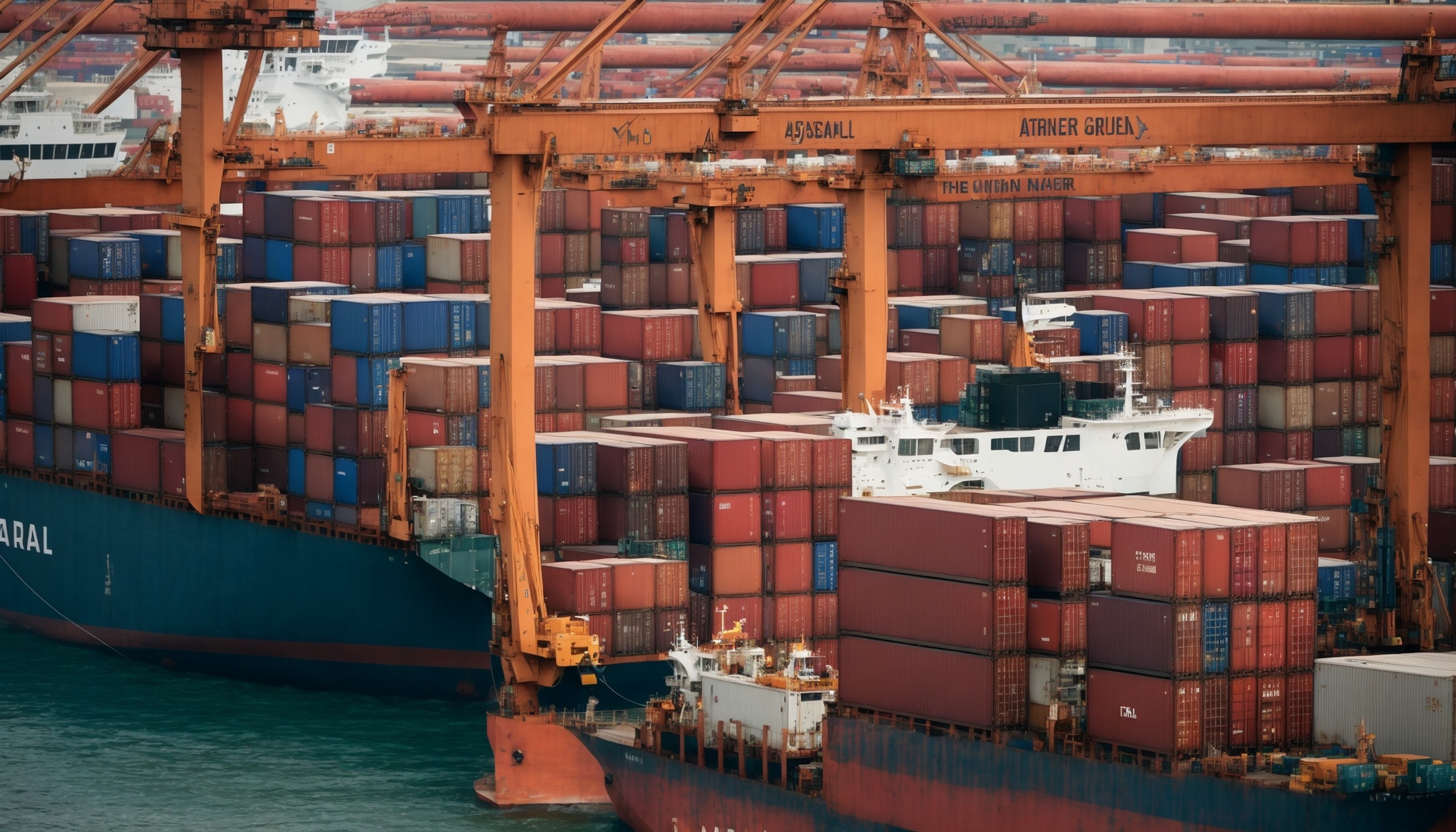
The Blackmore Group – Solusi Inovatif Logistik dan Perdagangan – Recent data shows fluctuating sea freight cost Asia, raising concerns about upcoming price trends in the region’s shipping and logistics sectors.
The ongoing economic recovery amid variable supply chain disruptions has led to complex changes in sea freight cost Asia. Key ports in China, Singapore, and South Korea report shifts due to capacity adjustments and fluctuating demand. Overall, rates have shown moderate volatility in the first quarter of the year, reflecting both demand surges and operational constraints.
Several factors influence sea freight cost Asia, including container shortages, rising fuel prices, and port congestion. Additionally, geopolitical tensions and regulatory changes contribute to operational costs. Analysts observe that fuel surcharge adjustments and labor shortages at critical hubs could drive further cost escalation.
The possibility of a price increase in sea freight cost Asia is high. Supply chain analysts suggest that persistent bottlenecks and limited vessel availability will exert upward pressure on freight charges. Companies are advised to monitor contract renewals closely and consider longer-term agreements to mitigate volatility.
Read More: International Maritime Organization insights on fuel and supply chain impacts
Businesses shipping goods through Asia’s sea routes should explore multi-modal transport solutions and optimize container utilization. Forwarders recommend early booking and flexible routing to minimize exposure to sudden cost hikes. Digital platforms offering real-time freight pricing can also assist in budgeting and forecasting.
The increase in sea freight cost Asia impacts not only shipping companies but also importers and exporters who may face higher landed costs. This scenario emphasizes the need for adaptive logistics strategies and collaboration between stakeholders to maintain supply chain resilience as global trade dynamics evolve.
Ongoing monitoring of sea freight cost Asia remains crucial for all involved parties in the supply chain to anticipate changes and adjust operations accordingly.
This website uses cookies.