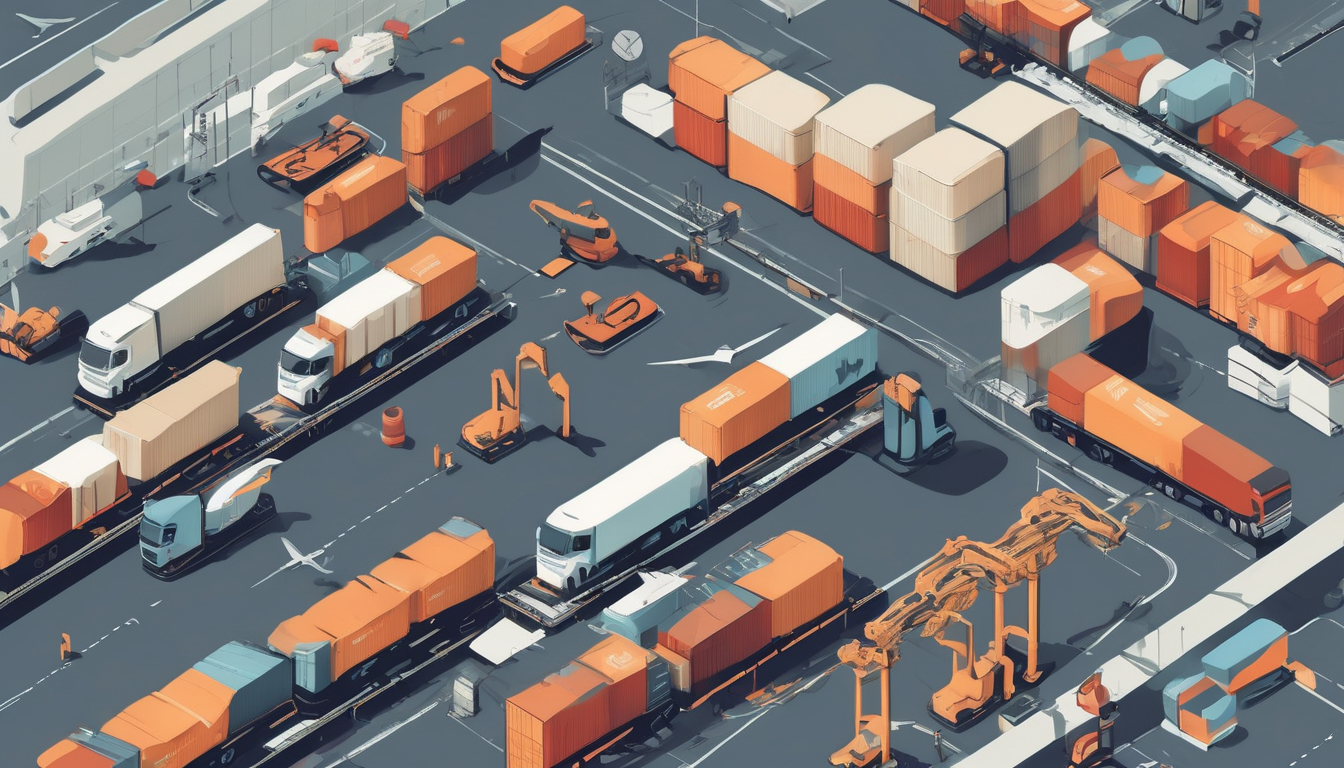
[SITE_NAME] reports rising fuel prices are forcing cargo operators to apply fuel cost management strategies to protect their margins and service reliability.
Fuel is one of the largest variable expenses in cargo operations. When prices surge, profits shrink quickly and contracts become harder to honor. Effective fuel cost management strategies help operators stay competitive without sacrificing safety or service quality.
In addition, customers are more sensitive to surcharges and delivery reliability. Clear plans for fuel efficiency, pricing, and technology adoption allow companies to respond faster to market changes.
On the other hand, operators that ignore fuel cost management strategies risk delayed shipments, cash flow pressure, and damaged client relationships. Therefore, proactive planning is essential for long-term stability.
Smart route planning is one of the most direct fuel cost management strategies. Shorter, smoother routes reduce fuel burn and travel time. Modern optimization tools can assess traffic, restrictions, and delivery windows in real time.
Companies should regularly review their lane structure and hub locations. Consolidating shipments through well-placed hubs may cut total miles, even if some individual trips appear longer.
Meanwhile, dynamic routing systems help dispatchers adapt when congestion, road works, or weather disrupt planned routes. This flexibility reduces idle time and unnecessary detours.
Driving style has a strong impact on consumption, making behavior change one of the most cost‑effective fuel cost management strategies. Harsh acceleration, speeding, and excessive idling waste significant fuel across a fleet.
Structured driver coaching programs can focus on stable speeds, anticipatory braking, and correct gear use. Incentive schemes tied to fuel performance encourage consistent application of these practices.
However, monitoring is crucial. Telematics data, combined with transparent feedback, helps drivers understand how specific habits affect fuel use and safety outcomes.
Modern telematics platforms are central to many advanced fuel cost management strategies. They record vehicle speed, route choices, idle time, and engine performance on every trip.
With this data, managers can identify inefficient routes, poorly utilized assets, and vehicles that require maintenance. As a result, decisions move from guesswork to measurable improvements.
Read More: Logistics optimization tactics to cut costs and improve performance
Some systems also propose real-time route adjustments and automated alerts for excessive idling or speeding. These tools support continuous improvement while reducing manual supervision.
Well-maintained vehicles are a cornerstone of practical fuel cost management strategies. Underinflated tires, clogged filters, and misaligned wheels raise fuel consumption and breakdown risk.
Preventive maintenance schedules should prioritize components with the strongest impact on efficiency. Checking tire pressure, wheel alignment, and engine tuning delivers quick savings.
After that, operators can explore aerodynamic add‑ons, low‑rolling‑resistance tires, and lightweight components. While these upgrades require investment, their payback often improves when fuel prices stay high.
In many fleets, older trucks or vessels consume much more fuel than newer models. Gradual renewal is one of the longer‑term fuel cost management strategies, combining efficiency gains with lower emissions.
Operators should assess total cost of ownership, not just purchase price. Newer engines, improved transmissions, and hybrid systems can reduce fuel use per kilometer or nautical mile.
Furthermore, in suitable regions and routes, liquefied natural gas, biofuels, or other alternatives can diversify sourcing risk. Careful pilot projects help validate performance before large‑scale rollouts.
Commercial tactics are as important as technical fuel cost management strategies. Companies that plan their purchases strategically can reduce exposure to sudden price spikes.
Negotiating long‑term contracts with reliable suppliers may secure better pricing and stable availability. Volume commitments and joint forecasting often support stronger terms.
As a result, some operators also use financial hedging to lock in prices for a portion of their expected fuel needs. This approach smooths cash flow, even though it requires sound risk management and financial expertise.
Well‑designed fuel surcharge policies are essential components of sustainable fuel cost management strategies. They allow operators to share part of the fuel risk with customers in a predictable way.
Surcharges should be based on transparent indexes and clear formulas. Customers need to understand how changes in fuel prices affect total freight charges.
Nevertheless, good communication remains vital. Explaining efficiency programs and cost‑control efforts helps maintain trust when surcharges increase during volatile markets.
Cargo operations consume fuel beyond road or sea movements. Yard tractors, forklifts, and terminal equipment create additional costs. Coordinated fuel cost management strategies must include these areas as well.
Optimizing yard layouts, scheduling loading windows, and reducing dwell time can lower engine hours. Electric or hybrid equipment, where feasible, further cuts fuel expenses and emissions.
In addition, combining modes—such as rail for long hauls and trucks for final delivery—often reduces overall fuel use per ton‑kilometer.
Lasting results come when fuel cost management strategies become part of company culture. Managers, planners, drivers, and mechanics all influence fuel performance.
Regular training, clear key performance indicators, and feedback loops help keep efficiency on the agenda. Simple dashboards at depot level can show progress and highlight best‑performing teams.
Eventually, more advanced operators integrate fuel cost management strategies with safety, maintenance, and customer service metrics. This integrated view encourages balanced decisions instead of isolated cost cutting.
By embedding fuel cost management strategies into every layer of cargo operations, companies can protect profits, strengthen resilience, and offer more reliable services even when fuel prices stay elevated.
This website uses cookies.