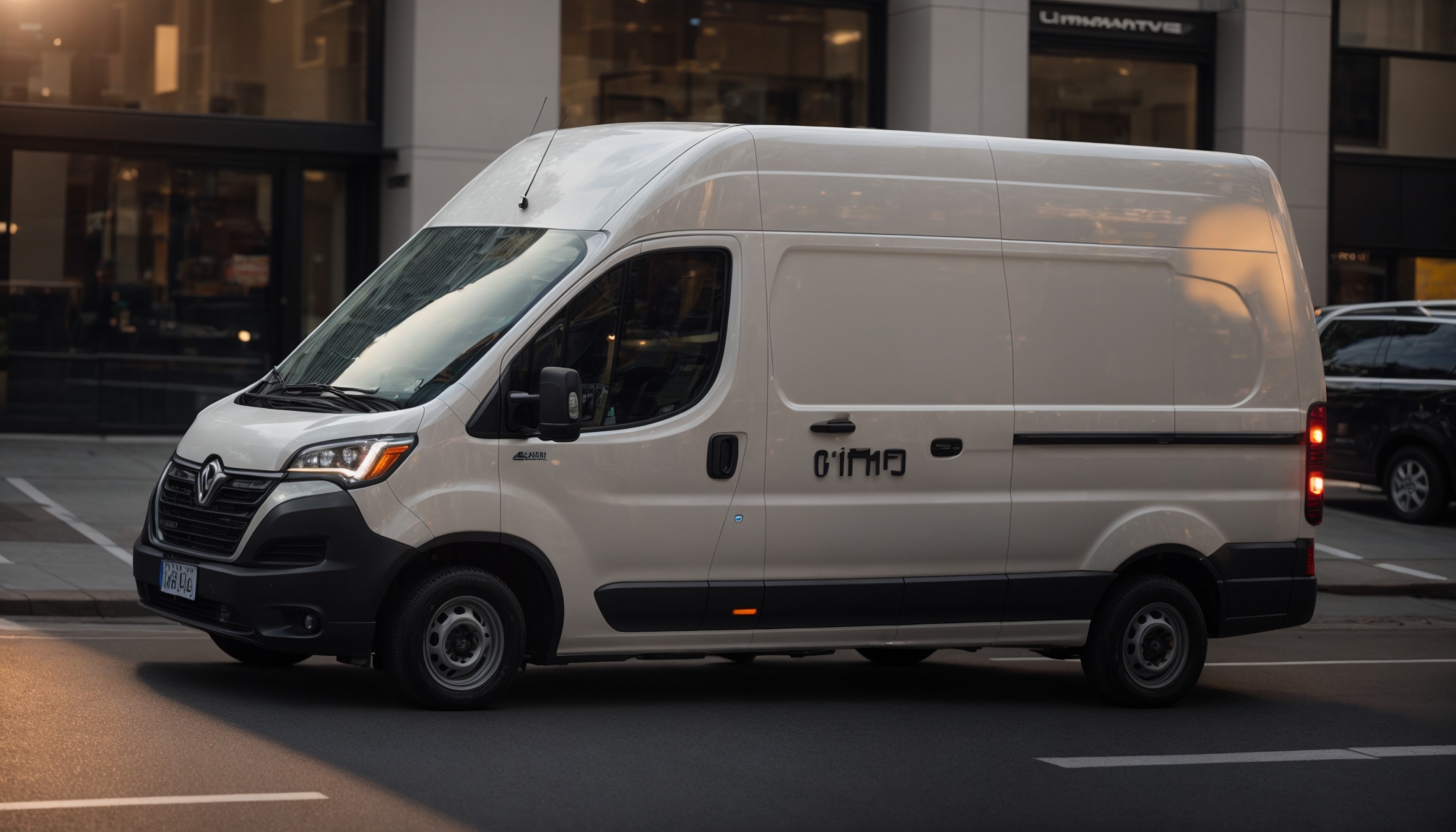
The Blackmore Group – Solusi Inovatif Logistik dan Perdagangan – The future of last-mile delivery is accelerating as cities face rising e-commerce demand, tighter emissions rules, and growing curbside congestion.
Urban delivery has entered a period of fast operational change. Order volumes keep climbing, but the distance between the customer and the delivery point is not the only challenge. The bigger issue is unpredictability: traffic patterns shift by the minute, loading zones disappear under ride-hailing demand, and building access varies widely. As a result, carriers spend more time searching for legal stopping points than moving parcels.
In addition, consumer expectations have moved from “two-day shipping” to same-day and even time-slot delivery. That compresses planning windows and increases the penalty for failed first attempts. Each re-delivery adds miles, labor time, and emissions, while also irritating residents and building staff. Therefore, operators are investing in tools that reduce exceptions and standardize handoffs.
City governments are also shaping outcomes. Low-emission zones, noise limits, and restrictions on delivery hours are expanding. Meanwhile, planners want streets that work for buses, bikes, pedestrians, and commerce at the same time. These constraints are forcing logistics firms to redesign networks around shorter routes, cleaner vehicles, and better use of curb space.
Micro-fulfillment centers are emerging as one of the most practical responses to dense-city delivery constraints. Instead of shipping every order from large suburban warehouses, retailers and third-party logistics providers place inventory closer to demand. These sites can be compact automated facilities, back-of-store picking zones, or dedicated “dark stores” optimized for rapid order assembly.
The immediate benefit is distance reduction. Shorter routes cut fuel use, driver hours, and exposure to traffic volatility. They also enable tighter delivery windows because dispatchers have more flexibility to cluster stops geographically. On the other hand, micro-fulfillment requires disciplined inventory strategy. Stocking too many locations can raise holding costs and complicate replenishment.
Successful operators treat micro-fulfillment as a network design problem. They use demand forecasting to decide which SKUs belong close to customers and which remain centralized. After that, they connect these sites to fast replenishment lanes from larger hubs. This hybrid approach helps meet speed expectations without inflating overall complexity.
Electrification is moving from pilot programs to procurement commitments, especially where regulation and total cost of ownership align. Delivery vans with predictable routes and high daily mileage can benefit from lower energy costs and reduced maintenance. However, charging infrastructure remains the gating factor in many cities, particularly for fleets that park on-street or rotate vehicles between depots.
Cargo bikes and compact electric vehicles are also gaining ground in dense neighborhoods. They can bypass traffic, use narrower lanes, and stop more easily. In practice, many carriers are building two-tier operations: a larger vehicle brings parcels to a neighborhood node, and smaller vehicles complete the final blocks. This reduces double-parking and shortens dwell time at each stop.
Noise and community impact matter too. Quieter vehicles support off-peak deliveries, which can relieve daytime curb competition. Nevertheless, shifting deliveries to evenings or early mornings requires coordination with buildings, residents, and local ordinances. The transition works best when cities provide clear rules and when carriers invest in consistent, low-disruption procedures.
Read More: Global EV Outlook and urban transport insights
In many downtown areas, curb space has become the scarce resource. Passenger pick-ups, restaurant deliveries, construction zones, and parcel vans all compete within the same few meters. Without structure, drivers circle the block, double-park, or walk long distances with heavy loads. As a result, the curb becomes a hidden cost center that undermines service reliability.
Cities are responding with digital curb management programs, dedicated loading zones, and time-based rules. The most advanced systems allow reservations or dynamic pricing. Operators can pay for a predictable loading window instead of gambling on availability. That predictability supports route optimization and reduces conflict with public transit and bike lanes.
Building-level solutions are also evolving. Many multi-tenant properties now designate delivery bays, package rooms, or secure lockers. These reduce failed deliveries and speed up handoffs. When these systems integrate with carrier apps, drivers can follow standardized entry steps, which cuts dwell time and improves safety.
The next competitive edge comes from decision-making speed. Routing has moved beyond static plans created at the start of the day. Modern platforms ingest traffic, weather, customer availability signals, and depot capacity to adjust sequences in real time. This is where the future of last-mile delivery becomes less about vehicles and more about orchestration.
Visibility tools also shift performance metrics. Instead of measuring only on-time delivery, leading networks track “minutes at stop,” first-attempt success, and customer communication latency. In addition, computer vision and geofencing can confirm drop-off events without slowing drivers down. The goal is fewer exceptions, because exceptions consume the most time per package.
However, automation works only with clean operational data. Address quality, building access notes, and customer preferences must stay current. Therefore, many carriers now treat data maintenance as a frontline task, not a back-office chore. Small improvements in address resolution can prevent large cascades of rework.
Even with automation, urban delivery remains labor-intensive. Couriers handle stairs, elevators, reception protocols, and unpredictable customer instructions. As delivery density increases, physical strain and time pressure can rise. Safety programs, realistic route plans, and better equipment are becoming operational necessities.
Training is shifting too. Couriers increasingly operate within app-guided workflows, locker systems, and building access platforms. They also need customer-service skills for high-value items and scheduled deliveries. Meanwhile, dispatchers are evolving into exception managers who resolve access issues, reroute stops, and coordinate returns.
Compensation models may also change as operators try to balance speed with compliance and safety. Incentives that reward only stop counts can backfire if they encourage risky parking or rushed handoffs. On the other hand, balanced scorecards can improve consistency and reduce costly incidents.
Network designs are heading toward more local nodes, cleaner vehicles, and tighter collaboration with city policy. Retailers, carriers, and municipalities will likely share more data to coordinate curb use and reduce congestion. At the same time, customer expectations will keep pushing for precision, not just speed.
Regulation will remain a key accelerator. Emissions targets, noise rules, and street safety plans will favor operators that invest early in electrification and right-sized vehicles. In addition, real estate decisions—where to place micro-fulfillment and how to design building delivery areas—will shape long-term performance more than short-term marketing promises.
Ultimately, the future of last-mile delivery will reward networks that combine micro-fulfillment, flexible fleets, and real-time orchestration, supported by curb systems that make city streets work for everyone. For operators planning upgrades, future of last-mile delivery strategies are becoming less optional and more foundational to urban competitiveness.
As cities grow denser and rules get stricter, the future of last-mile delivery will hinge on reliability at the curb, clean transport choices, and data that turns disruptions into manageable events.
This website uses cookies.