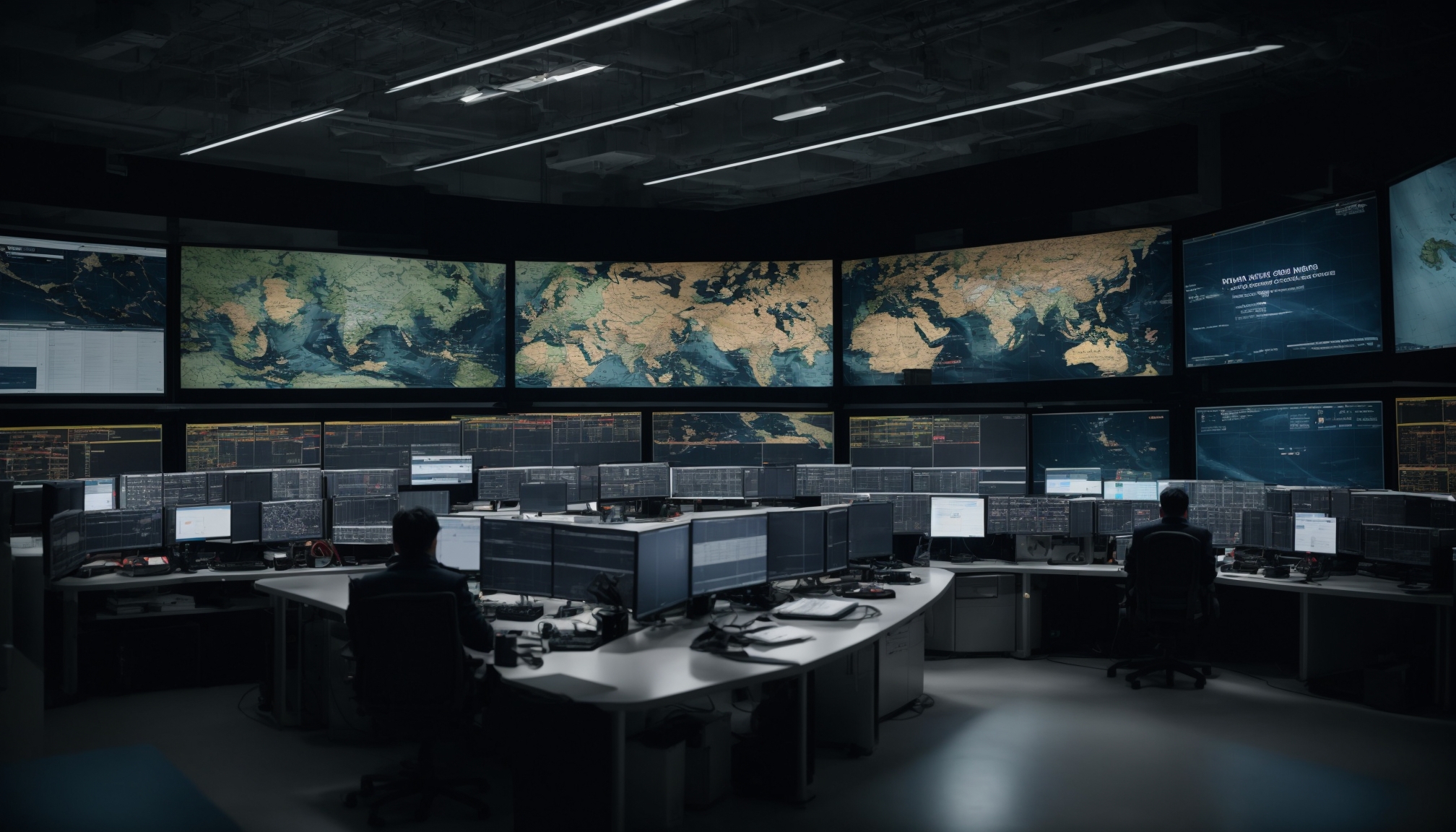
The Blackmore Group – Solusi Inovatif Logistik dan Perdagangan – Modern cargo monitoring now enables logistics operators to track shipments in real time, improve traceability, and prevent losses across complex global supply chains.
The rapid growth of e-commerce and global trade has pushed companies to adopt modern cargo monitoring across every stage of shipment. Businesses no longer rely only on paper documents or sporadic manual updates. Instead, they combine sensors, connectivity, and analytics to know exactly where cargo is, what condition it is in, and who handled it.
Customers expect precise delivery windows and up-to-the-minute status updates. Because of that, logistics providers use modern cargo monitoring to provide location data, proof of handling, and condition records on demand. This shift changes cargo tracking from a static snapshot into a continuous data stream.
Regulated industries like pharmaceuticals and food also depend on these systems. They must prove that products stayed within approved temperature ranges and followed secure, documented routes. Reliable digital traceability therefore becomes a core compliance requirement, not just a competitive advantage.
Several technology layers work together to power modern cargo monitoring in daily operations. At the heart of most systems are GPS trackers and cellular or satellite connectivity. These devices send regular position updates, which logistics platforms convert into maps, alerts, and delivery timelines.
However, tracking location is only one piece. Internet of Things (IoT) sensors measure temperature, humidity, shock, tilt, and even light exposure. This data shows whether a container was opened, dropped, overheated, or stored in unsafe conditions. In high-value or sensitive shipments, these sensors provide critical evidence.
Cloud platforms then collect and store all the signals from devices in the field. Analytics tools transform raw data into exceptions, alarms, and performance indicators. In many cases, artificial intelligence models predict delays or risks based on historical traffic, weather, and route information, further improving modern cargo monitoring capabilities.
Basic tracking answers a simple question: where is my shipment now? Modern cargo monitoring goes further and connects that data with events along the entire supply chain. Each scan, transfer, and inspection becomes part of a continuous digital trail.
Unique identifiers such as barcodes, QR codes, or RFID tags link physical items to digital records. When a pallet arrives at a warehouse or passes through customs, systems record time, location, and handler. Over time, this builds a complete history for every unit, from origin to final delivery.
In many industries, traceability is now essential during recalls or quality investigations. Companies can quickly pinpoint which batch passed through which facility, and who received it. This ability reduces waste, limits legal exposure, and improves customer trust in modern cargo monitoring and its outcomes.
Read More: How supply chain traceability transforms modern logistics operations
Modern cargo monitoring also strengthens security and risk management. Instead of discovering problems days later, operators receive real-time alerts when conditions deviate from acceptable ranges. For example, if temperature inside a reefer container rises above a set threshold, the system notifies the responsible team immediately.
Geofencing is another powerful feature. Companies can define safe zones such as ports, warehouses, or approved routes. If a truck leaves its expected path or a container enters a restricted area, modern cargo monitoring platforms trigger warnings. These alerts help prevent theft, tampering, and unauthorized diversions.
For high-value goods, some systems combine tracking with access control and electronic seals. When a door opens unexpectedly or outside a scheduled checkpoint, sensors record the event and capture evidence. This level of visibility discourages internal fraud and strengthens insurance claims when incidents occur.
The full value of modern cargo monitoring appears when companies integrate tracking data into their wider business systems. Transportation management systems, warehouse management platforms, and customer portals all benefit from real-time shipment information.
Automatically updated estimated time of arrival (ETA) data allows warehouses to plan labor and dock schedules more accurately. Customer service teams gain instant answers when clients ask about delayed or missing cargo. Finance departments can validate billing, demurrage, and detention charges using precise time stamps.
On a strategic level, managers analyze monitoring data to redesign routes, choose better carriers, and negotiate contracts. Performance metrics such as average transit time, on-time delivery, and damage rates become clear and verifiable through modern cargo monitoring.
Despite clear benefits, deploying modern cargo monitoring across an entire network presents challenges. Hardware costs, connectivity coverage, battery life, and device maintenance all require careful planning. Companies must decide which shipments truly need real-time sensors and which can rely on simpler methods.
Data quality and standardization also matter. If each partner records events differently, traceability becomes fragmented. Clear data models and shared formats help logistics providers and shippers exchange information consistently. Training staff to scan properly, apply tags, and handle devices reduces errors.
Cybersecurity is another priority. As more cargo data moves to the cloud, organizations need strong access control, encryption, and monitoring. Protecting shipment information prevents criminal misuse and supports regulatory compliance in regions with strict data protection laws.
Looking ahead, modern cargo monitoring will likely become even more automated and predictive. Low-power sensors, satellite IoT networks, and 5G connectivity will expand coverage to remote regions, oceans, and rural roads. This evolution will make continuous tracking feasible for more shipment types.
Meanwhile, machine learning models will analyze massive volumes of movement and condition data. They will suggest better shipping windows, flag emerging risk patterns, and recommend alternative routes during disruptions. Modern cargo monitoring will shift from reacting to issues to preventing them before they disrupt deliveries.
As sustainability pressures grow, companies will also use monitoring data to reduce emissions and improve asset utilization. Optimized routes, fewer empty miles, and better load planning all depend on accurate, timely insights from modern cargo monitoring at every stage of the supply chain.
This website uses cookies.