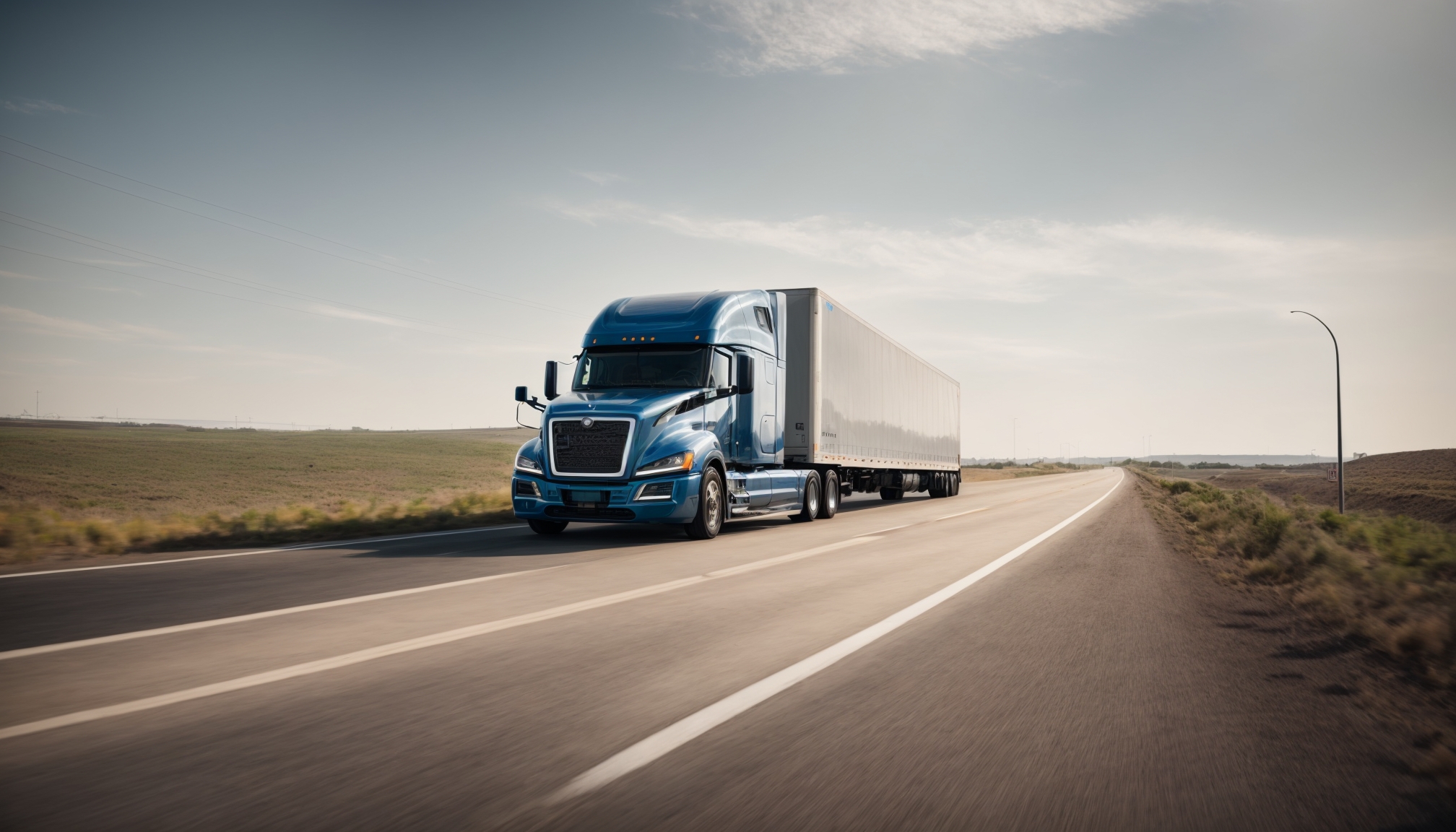
The Blackmore Group – Solusi Inovatif Logistik dan Perdagangan – Electric heavy-duty trucks entering long-haul freight routes are reshaping logistics far sooner than most industry analysts had forecasted, marking a pivotal shift towards sustainable transport in the freight sector.
Significant technological improvements in battery capacity and charging infrastructure have accelerated the timeline for electric heavy-duty trucks entering long-haul freight operations. Modern batteries now offer longer ranges, which mitigate the range anxiety that once limited the adoption of electric vehicles in extensive freight routes.
Alongside this, the expansion of high-speed charging stations along key freight corridors enables faster turnaround times, making electric trucks more practical for daily long-distance tasks. Manufacturers have also optimized vehicle designs to balance payload efficiency and energy consumption, facilitating an earlier integration of electric trucks into traditional freight operations.
Incentives from governments, including subsidies and regulations aimed at reducing carbon emissions, have pushed companies to adopt electric heavy-duty trucks entering freight routes at scale. These trucks not only reduce fuel costs but also help companies meet sustainability targets, which are increasingly critical in supply chain management.
Fueling this trend is the rising cost of diesel and tightening emissions standards globally, which have made the economic case for electric trucks more compelling. Companies that transition early benefit from lower operational costs combined with enhanced corporate social responsibility credentials, improving their market position.
Despite progress, challenges remain for electric heavy-duty trucks entering long-haul freight routes. The upfront investment for vehicle purchase and charging infrastructure is substantial. Additionally, integrating electric trucks requires rethinking logistics planning to accommodate charging times and routes optimized for available infrastructure.
However, fleet operators are partnering with charging network providers, and some are investing in private charging facilities to overcome these hurdles. Innovations in battery swapping technology and vehicle-to-grid integration are also emerging as promising solutions to further streamline long-haul electric freight operations.
Baca Juga: Facts about electric truck technology advancements
The rapid entrance of electric heavy-duty trucks into long-haul freight routes is accelerating industry transformation. Logistics providers report not only environmental benefits but also enhanced driver experience due to reduced noise and vibrations. As cost parity between electric and conventional trucks approaches, adoption rates are expected to surge.
Continuous innovation and supportive policy measures will further enable electric heavy-duty trucks entering mainstream freight transportation. The momentum gained now suggests the trucking industry will achieve substantial electrification sooner than many anticipated, heralding a new era of green logistics.
Electric heavy-duty trucks entering freight routes signify more than just technological progress; they represent a critical step in reducing the carbon footprint of global supply chains. By lowering emissions and operational costs, these vehicles enable companies to meet climate goals while maintaining competitive efficiency.
With continued advances in battery technology and infrastructure expansion, electric trucks will increasingly dominate long-haul freight routes. This development ensures a more sustainable and resilient transportation network, benefiting both the economy and the environment in the long run.
This website uses cookies.